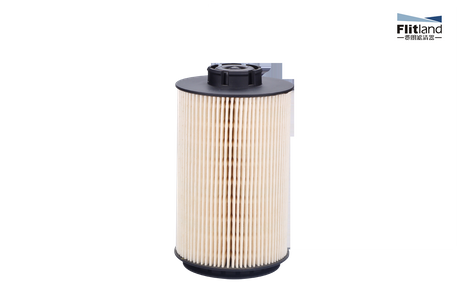
Views: 0 Author: Site Editor Publish Time: 2025-10-20 Origin: Site


Ever wondered why your engine suddenly leaks oil or overheats? The oil filter housing could be the culprit. This small yet crucial component secures the oil filter, ensuring smooth oil flow. In this post, you'll learn about the oil filter housing's role and signs indicating it's failing. Stay informed to prevent costly engine damage.
The oil filter housing is a small but vital part of your engine. When it starts to fail, several signs can warn you before bigger problems happen.
Oil LeaksOne of the easiest signs to spot is oil leaking around the engine. You might see oil spots under your car or wet areas near the oil filter. This usually means the housing has cracks or the seals are worn out. Oil leaks reduce the oil available to your engine, risking serious damage if ignored.
Low Oil PressureThe oil filter housing keeps the oil filter secure, helping maintain proper oil pressure. If the housing or seals are damaged, oil pressure can drop. You may notice a warning light on your dashboard. Low oil pressure means the engine isn’t getting enough lubrication, which can cause parts to wear out fast.
Oil Filter DamageIf the oil filter looks damaged or loose, the housing might be the cause. A faulty housing won’t hold the filter tightly, allowing it to move or get damaged. This leads to poor filtration, letting dirt and debris enter the engine, which can cause costly damage over time.
Engine OverheatingOil helps cool the engine by reducing friction. When the oil filter housing fails, oil circulation may drop, causing the engine to overheat. If your engine temperature stays high after checking coolant levels, the housing could be the problem.
Strange NoisesA bad oil filter housing can cause rattling or vibrating sounds from the engine. Loose filters may move and create noise. Also, poor oil flow due to housing issues can cause ticking or knocking sounds. These noises mean the engine isn’t properly lubricated, risking damage.
Dirty OilThe housing affects how well the oil filter works. If it’s bad, the filter won’t clean oil properly. You might see dirty oil or debris when checking it. Dirty oil harms engine parts and reduces performance.
Frequent Oil Changes NeededIf you must change oil more often than usual, the housing may be failing. Poor filtration from a bad housing dirties oil quickly, requiring more frequent changes to protect the engine.
Recognizing these signs early can save you from costly repairs. The oil filter housing might be small, but it plays a big role in keeping your engine healthy.
Oil leaks often signal trouble with the oil filter housing. The housing holds the oil filter tightly and seals the oil flow. When it cracks or seals wear out, oil can escape.
Causes of Oil Leaks
Cracked Housing: Over time, heat and vibration can cause cracks in the housing. These cracks let oil seep out.
Worn Seals or Gaskets: The oil filter housing uses seals to prevent leaks. These seals can dry out, crack, or break, causing oil to leak.
Loose or Damaged Oil Filter: If the housing doesn’t hold the filter firmly, it can loosen. Oil may leak where the filter meets the housing.
Consequences of Ignoring Oil LeaksIgnoring oil leaks can lead to serious engine problems:
Reduced Oil Levels: Leaks lower the oil amount, risking poor engine lubrication.
Engine Damage: Without enough oil, engine parts rub together, causing wear or even engine failure.
Environmental Harm: Oil leaks pollute the ground and waterways.
Fire Hazard: Leaked oil on hot engine parts can ignite, causing fires.
If you notice oil spots under your car or wet patches near the filter, check the housing and seals immediately. Early detection helps avoid costly repairs and keeps your engine running smoothly.
Low oil pressure is a serious warning sign that your oil filter housing might be failing. This part plays a key role in keeping oil pressure steady by holding the oil filter tight and sealing the oil flow. When the housing or its seals are damaged, oil can leak or flow improperly, causing pressure to drop.
The oil filter housing connects the oil filter to the engine and directs oil through the filter before it lubricates engine parts. It must be sealed well to keep oil flowing at the right pressure. If the housing cracks or the seals wear out, oil pressure drops because oil escapes or doesn’t flow correctly.
The housing also prevents the oil filter from moving. A loose filter can cause oil pressure to fall, as oil may bypass the filter or leak out. This disrupts the engine’s oil supply and reduces lubrication.
Low oil pressure means the engine isn’t getting enough oil to lubricate its moving parts. This causes increased friction and heat, which can lead to:
Faster Wear and Tear: Metal parts rubbing together wear down quicker without enough oil.
Engine Overheating: Oil helps cool the engine; low pressure means less cooling, raising temperature.
Engine Damage: Prolonged low pressure can cause serious damage, including engine seizure or failure.
Warning Lights: Most vehicles have an oil pressure warning light that turns on when pressure drops too low.
If you see the oil pressure warning light, don’t ignore it. Check the oil level first, then inspect the oil filter housing for cracks, leaks, or loose seals. Fixing the housing promptly can prevent costly engine repairs.
The oil filter housing plays an important role in how oil flows through your engine. When it fails, it can disrupt oil circulation, which affects the engine’s cooling system. Understanding this connection helps you spot overheating issues caused by a bad oil filter housing.
Oil does more than lubricate engine parts—it also helps carry heat away from them. When oil moves smoothly through the engine, it absorbs heat generated by friction and transfers it to the oil pan or cooler, where it dissipates.
The oil filter housing directs oil through the filter before it reaches engine parts. If the housing is cracked, clogged, or damaged, oil flow slows or stops. This means less oil reaches critical areas, reducing heat removal. As a result, engine temperature rises.
Poor oil circulation also causes increased friction. Metal parts rub harder without enough oil, generating even more heat. This creates a dangerous cycle that can quickly lead to engine overheating.
If your oil filter housing is faulty, you might notice these overheating symptoms:
Consistently High Engine Temperature: The temperature gauge stays in the red zone even after checking coolant levels.
Frequent Warning Lights: The engine or temperature warning light may come on unexpectedly.
Engine Performance Drops: Overheating can cause your engine to lose power or stall.
Burning Smell: Excess heat may cause oil or plastic parts near the engine to emit a burning odor.
Visible Oil Leaks: Overheating can worsen cracks or damage in the housing, leading to leaks.
If you experience any of these signs, inspect the oil filter housing and oil flow immediately. Continuing to drive with a bad housing risks severe engine damage or failure.
When the oil filter housing goes bad, it often causes unusual noises and vibrations. These sounds come from how the housing holds the oil filter and how oil flows through the engine. Recognizing these noises helps you diagnose housing problems early.
Rattling or Vibrating Sounds: A loose or damaged housing can’t hold the oil filter firmly. The filter may move or shake, creating rattling noises. This is especially noticeable when the engine runs at idle or low speeds.
Ticking or Knocking Noises: Poor oil flow due to cracks or leaks in the housing causes some engine parts to get less lubrication. When metal parts don’t get enough oil, they make ticking or knocking sounds as they rub against each other.
Humming or Whining: In some cases, faulty oil circulation can cause the oil pump to work harder, producing a humming or whining noise from the engine area.
Listen Carefully: Pay attention to when the noises occur. Rattling often happens when the engine is cold or idling. Ticking may increase as the engine warms up.
Check the Oil Filter: Inspect the oil filter for looseness or damage. If it moves easily by hand, the housing might not be holding it properly.
Look for Oil Leaks: Oil leaks around the housing can signal cracks or seal failures causing poor oil flow and noise.
Monitor Oil Pressure: Low oil pressure often accompanies these noises. Use an oil pressure gauge or check the dashboard warning lights.
Professional Inspection: If unsure, have a mechanic inspect the housing and related parts. They can detect subtle noises and pinpoint the cause using diagnostic tools.
Ignoring these noises risks serious engine damage. Early detection helps prevent costly repairs by fixing the oil filter housing or replacing seals.
Keeping your engine oil clean is key to a healthy engine. The oil filter housing plays a big role in this process. It holds the oil filter tightly and ensures oil flows properly through the filter before reaching engine parts. When the housing is in good condition, it helps the filter catch dirt, metal particles, and other contaminants. This keeps the oil clean and your engine running smoothly.
Clean oil lubricates engine parts, reduces friction, and helps prevent wear. It also carries heat away from moving parts. Dirty oil, full of debris, loses these abilities. Contaminants in dirty oil can scratch metal surfaces, clog passages, and cause parts to wear faster. Over time, this can lead to engine damage or failure.
Regular oil changes and filter replacements are essential, but they rely on the oil filter housing working properly. If the housing is damaged, it can cause problems that let dirty oil circulate.
When the oil filter housing is cracked, loose, or has worn seals, it can cause poor oil flow or allow unfiltered oil to bypass the filter. Here are some ways this happens:
Leaks Around the Housing: Oil can leak where the housing seals fail, reducing oil pressure and letting unfiltered oil enter the engine.
Loose Filter Fit: A damaged housing might not hold the filter tightly. This allows oil to flow around the filter instead of through it, bypassing filtration.
Cracks or Damage: Cracks in the housing can create paths for contaminants to mix with clean oil or stop oil from circulating fully through the filter.
Clogged or Misaligned Housing: Damage can cause oil flow to slow or become uneven, reducing filtration efficiency.
When oil isn’t filtered properly, dirty oil builds up faster. This means more frequent oil changes are needed to avoid engine damage. Dirty oil also causes engine parts to wear faster, reducing performance and lifespan.
Identifying signs of a bad oil filter housing, such as oil leaks and low oil pressure, is crucial. Timely detection and repair prevent costly engine damage. Rely on Wenzhou Flitland Filter Manufacturing Co., Ltd. for high-quality oil filter housings. Their products ensure optimal engine performance and longevity.
A: An Oil Filter Housing is a crucial component that holds the oil filter securely and ensures proper oil flow and filtration in the engine.
A: Signs of a bad Oil Filter Housing include oil leaks, low oil pressure, engine overheating, strange noises, dirty oil, and frequent oil changes.
A: A faulty Oil Filter Housing can crack or have worn seals, allowing oil to seep out and cause leaks.
A: A bad Oil Filter Housing disrupts oil circulation, reducing cooling efficiency and potentially causing engine overheating.
A: Replacement costs vary based on vehicle make and model, but generally include parts and labor for installation.