Views: 0 Author: Site Editor Publish Time: 2025-12-22 Origin: Site


You may see that people talk a lot about indoor air quality now. Many homes, offices, and factories worry about dust and pollution. They also worry about allergens. Air filtration technology gives new ways to help you breathe clean air. These new trends use smart air purification. They also use advanced air filter materials. You can protect your health with solutions that work in real time. These solutions respond to your environment as things change.
Smart air filters with IoT integration let you check and change air quality using your phone. This makes it easier to keep your space healthy.
Advanced materials like nanofiber filters give better protection from allergens and pollutants. This helps make the air in your home or office cleaner.
Self-cleaning and modular air filtration systems save you time. You can also change them to fit your space.
Real-time air quality sensors help you know when to clean the air. This makes you healthier and more comfortable.
Picking energy-efficient air filters saves you money. It also helps the planet by cutting down on waste and energy use.

Many new ideas are changing air filtration technology. Smart filtration systems help you control air quality at home or work. These smart air filters have sensors that watch for dust and pollen. You can connect these filters to your phone or tablet. This means you can check air quality and change settings from anywhere.
Smart air purifiers use IoT integration. You get updates about your air filter’s performance right away. Some systems send alerts when it is time to replace your air filter. You can set schedules for your smart air purification devices. This makes it simple to keep your air clean every day.
Tip: To improve indoor air, pick smart filtration systems that work with your favorite apps.
New materials are used in the latest air filtration innovations. Nanofiber filters are a very exciting trend. These filters use thin fibers to catch tiny particles. You get better protection from dust, smoke, and allergens.
Advanced air filtration technologies use materials like activated carbon and HEPA. These materials help remove odors and harmful gases. Nanofiber filters last longer and work better than older filters. You can find air filtration products with these advanced materials in many stores.
Here is a simple table to show how nanofiber filters compare to traditional filters:
Filter Type | Particle Size Trapped | Lifespan | Common Use |
|---|---|---|---|
Traditional | Larger | Short | Basic air filters |
Nanofiber | Very small | Long | Smart air purifiers |
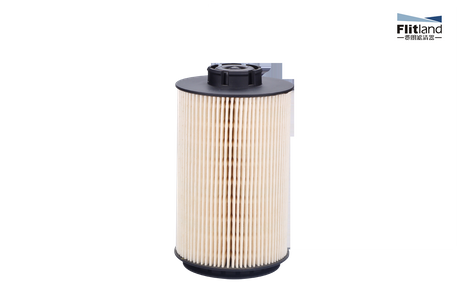
Note: Flitland Fuel Filter uses advanced filtration for vehicles. This shows new materials help in many industries. The focus here is on air filter solutions for indoor air.
Self-cleaning technologies make it easier to care for your air filter. You do not need to clean or replace filters as much. These systems use special coatings or automatic brushes. You save time and keep your air filtration products working well.
Modular systems are another new trend. You can add or remove parts to fit your needs. If you have a big room, you add more modules. If you move to a smaller space, you remove some modules. This makes advanced air filtration technologies flexible and easy to use.
Self-cleaning technologies help you avoid dirty filters.
Modular systems let you build the perfect air filter for your space.
You see smart filtration systems in many new homes and offices. These systems use the latest innovations to keep air clean and fresh.
For the best results, choose air filtration products with self-cleaning technologies and modular designs.
You want to breathe clean air at home, school, or work. Modern air filters help you do that. These filters trap dust, pollen, and even tiny germs. When you use advanced air filtration technology, you lower the risk of allergies and asthma. You also protect your lungs from harmful particles.
Many people notice fewer coughs and sneezes when they use a good air filter. You can feel more comfortable in your space. Hospitals and healthcare facilities use these filters to keep patients safe. Clean air supports your immune system. You stay healthier and miss fewer days at work or school.
Modern air filters also remove bad smells and smoke. You get fresh air every day. This is one of the most important health and safety advancements in homes and public places. You can trust these filters to make a real difference in your life.
Tip: Change your air filter often to keep your indoor air quality high.
You can now check your indoor air quality with smart tools. Air quality sensors measure dust, smoke, and chemicals in the air. These sensors give you updates every few minutes. You see the results on your phone or a display at home.
Air quality monitoring helps you know when to open a window or turn on your air purifier. You do not have to guess if your air is clean. The sensors show you the facts. This is another big step in health and safety advancements.
Many new air purifiers use air quality sensors to adjust how they work. If the air gets dirty, the purifier works harder. If the air is clean, it saves energy. You get the best indoor air quality all day and night.
Here is a simple list of what air quality sensors can do for you:
Show real-time air quality levels
Alert you when air gets worse
Help you choose the right settings for your purifier
Track changes in your indoor air quality over time
You can use air quality monitoring in homes, offices, and even factories. These tools help you make smart choices for your health.
Note: Air quality sensors are now common in many smart devices. You can use them to protect your family and improve your life.

Smart air purification is changing how you keep air clean. AI-driven air filtration systems use sensors and machine learning. These systems watch your environment and change settings to clean air. You do not have to guess when to change your air filter. The system tells you when it is time. AI-powered features help you track dust, pollen, and smoke. You get updates on your phone or tablet.
Many smart air purifiers use AI to learn what you do. The system knows when you cook, clean, or open windows. It works harder when the air gets dirty. You save energy when the air is clean. AI-driven air filtration technology helps you live easier and stay healthy.
Tip: Pick air purification systems with AI features for the best results at home or work.
Here is a table that shows how AI-driven systems are different from traditional air purifiers:
Feature | Traditional Purifier | AI-Driven System |
|---|---|---|
Manual Control | Yes | No |
Automatic Adjustment | No | Yes |
Real-Time Monitoring | Limited | Full |
Energy Efficiency | Basic | High |
Smart air purification lets you control your air easily. You use apps to check air quality and change settings. You can see reports and set schedules for your air purification systems. You get alerts when air quality drops. You can turn your smart air purifiers on or off from anywhere.
Many apps show graphs and tips to help you clean indoor air. You see which rooms need more cleaning. You can share data with family or coworkers. App integration makes smart air purification simple and fun.
Set up your air filter with your favorite app.
Track air quality in real time.
Change settings with one tap.
Note: Smart air purification trends help you stay healthy and make your space more comfortable.
Offices and factories need clean air to stay safe. Commercial air filtration helps keep air quality high. Many workplaces use advanced systems to protect people. These systems take out dust, fumes, and chemicals from the air. You can find them in hospitals, schools, and food plants. Each place needs a different kind of system, so you must pick the right one.
In some places, even tiny particles can be a problem. Computer rooms and labs need special filters for this reason. These filters stop small particles from hurting machines or people. You can count on commercial air filtration to keep these areas safe.
Here is a table that shows where these systems are used:
Location | Main Concern | Solution Type |
|---|---|---|
Office Buildings | Dust, Allergens | Central Filtration |
Factories | Fumes, Chemicals | Industrial Purifiers |
Hospitals | Germs, Viruses | HEPA Systems |
Laboratories | Tiny Particles | Specialized Filters |
Tip: Always check what kind of air filter you need before you put in a new system.
You want a system that can change as your space changes. Flexible and scalable commercial air filtration lets you add or take away parts. If your office gets bigger, you add more units. If you move to a smaller space, you use fewer modules. This helps you save money and energy.
Many new systems use smart controls. You can make them work harder when air gets dirty. You can also connect them to building management apps. This gives you more control and helps keep air clean all the time.
Add modules for big spaces
Take away units for small rooms
Change settings with smart controls
Flexible systems work well in many places. You can use them in schools, malls, or factories. They help you follow safety rules and keep everyone healthy.
HEPA filters are used in homes, schools, and hospitals. HEPA means High-Efficiency Particulate Air. This technology traps small things like dust and pollen. It also catches mold. HEPA filters grab almost all particles bigger than 0.3 microns. You get cleaner air with HEPA filters. They help make indoor air better.
Electrostatic filters use static electricity to catch particles. These filters are found in advanced air filtration systems. When air goes through, the filter gives particles a charge. The charged particles stick to the filter. You get good results and use less energy. Electrostatic filters are used in fan filter units and commercial setups.
Here is a table that shows how HEPA and electrostatic filters are different:
Filter Type | How It Works | Best Use |
|---|---|---|
HEPA | Traps particles | Homes, hospitals |
Electrostatic | Charges particles | Offices, factories |
Tip: Check your air filter often. Clean it or replace it to keep air fresh.
Ultraviolet (UV) filters use light to kill germs. They also kill viruses. You find this technology in places that need extra safety. UV light breaks down bacteria and mold. Hospitals and labs use UV filters for safer air.
Hybrid systems use two or more air filter technologies. You see these systems in advanced air filtration. A hybrid unit might use HEPA, electrostatic, and UV together. You get the benefits of each type. Hybrid systems work well in fan filter units and commercial setups. They handle many kinds of pollutants.
UV filters kill germs.
Hybrid systems mix different technologies for better air.
Note: Pick the right air filter technology for your space. Think about what you want to remove from the air.
Filtration technology is changing a lot. Companies make models that use less energy. These models work faster and save you money. They also help protect the environment. Some systems have smart sensors. The sensors change how much energy the system uses. You get clean air and do not waste electricity.
Sustainable air filtration is very important now. Manufacturers use recycled materials and eco-friendly parts. You help the planet when you pick filters that last longer. These filters need fewer replacements. Some systems clean themselves. You throw away fewer old filters. You support hyper-efficiency and sustainability with these features.
Tip: Pick air filters with energy-saving labels. These filters help you save money and lower pollution.
Here is a table that shows how new models compare to old ones:
Feature | Old Systems | Energy-Efficient Models |
|---|---|---|
Power Use | High | Low |
Filter Lifespan | Short | Long |
Eco-Friendly Materials | Rare | Common |
You want the best air filter for your space. Filtration technology gives you many choices now. You can pick filters for homes, schools, or businesses. Think about what you want to remove from the air. Dust, pollen, smoke, and germs need different solutions.
Make a list of what you need before you buy. Check your room size and how often you use the filter. Some filters work better in big rooms. Others fit small spaces. You support hyper-efficiency and sustainability when you pick the right filter.
Read reviews from other people.
Ask experts for help.
Compare features and prices.
Filtration technology will keep getting better. You will see smarter and greener options every year.
You see many new trends in air filtration technology. These changes help you get cleaner air at home and work. The air purifier market grows with smart systems and better materials. You can choose an air filter that fits your needs. Try to check your filter often and follow expert advice. Stay informed about new products and updates.
Remember, clean air supports your health and comfort every day.
HEPA filters trap most particles bigger than 0.3 microns. Nanofiber filters catch even smaller things. Nanofiber filters give you more protection from dust and allergens. Both types help make indoor air better.
Check your air filter every month. Most filters need to be changed every three months. If you have pets or allergies, change it more often. Clean filters help keep your air fresh.
Yes, many smart air purifiers can connect to your phone. You can check air quality, set times, and get alerts. Using an app makes it easy to control your air purifier from anywhere.
Self-cleaning air filters mean you clean them less. You still need to check them sometimes. Make sure the system works well. Regular checks help your air filter work smoothly.
Energy-efficient air filters use less electricity. You save money and help the planet. These filters last longer and use eco-friendly materials. Picking energy-efficient filters helps support sustainability.