Views: 0 Author: Site Editor Publish Time: 2025-10-13 Origin: Site


Ever wondered why your vehicle's engine runs smoothly? The secret lies in a small yet crucial component: the fuel filter. This unsung hero keeps your engine free from harmful contaminants. In this guide, we explore the importance of choosing the right fuel filter. You'll learn about different types, key buying factors, and popular brands to ensure your engine's optimal performance.
A fuel filter is a crucial part of a vehicle’s fuel system. Its main job is to clean the fuel before it reaches the engine. Fuel often contains dirt, rust, water, and other impurities that can damage engine parts like the injection pump and nozzles. The fuel filter stops these contaminants from entering the engine, helping it run smoothly and last longer.
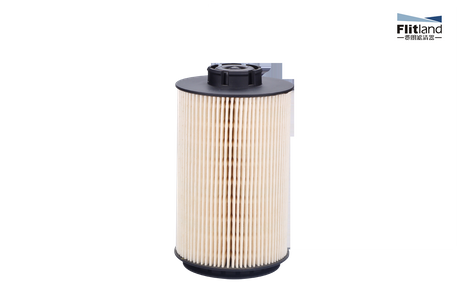
The filter itself is usually made from plastic or metal and contains a special filtering material inside. Fuel flows from the tank through the filter, where harmful particles are trapped. The clean fuel then moves on to the engine. Early fuel filters were simple plastic cans designed for small engines. Today’s filters are more advanced and built to handle higher fuel pressures found in modern engines.
Filter Housing: The outer shell, made of plastic or metal, which holds everything together.
Filter Element: The core part that traps dirt and impurities. It can be made of paper, synthetic fibers, or microglass.
Inlet and Outlet Ports: These allow fuel to enter and leave the filter.
Seals and Gaskets: These prevent leaks where the filter connects to the fuel system.
Drain Valve (in some diesel filters): Used to remove water and heavy contaminants collected inside the filter.
Fuel filters come in different sizes and types, but their main function remains the same: protect the engine by providing clean fuel.
Tip: Always check the filter's seals and connections during installation to prevent fuel leaks, which can cause engine problems and safety hazards.
Choosing the right fuel filter depends on several factors including the type of fuel your vehicle uses, the filter's design, where it mounts, and the material it’s made from. Let’s break down these categories to help you pick the best one for your vehicle.
Petrol (Gasoline) Fuel FiltersThese are usually smaller and made from paper. Petrol engines typically have one fuel filter because petrol is cleaner than diesel. You’ll find these filters in various locations, making them easier to replace. They work well in both carbureted and fuel-injection systems.
Diesel Fuel FiltersDiesel filters are larger and often come as cartridge types inside a metal housing. Diesel vehicles may have two filters: a primary and a secondary one. The primary filter removes bigger particles and water, while the secondary filter catches finer contaminants. These filters are mostly found near the engine or between the tank and engine.
Spin-On FiltersThese screw on like an oil filter and are common in modern vehicles. They are quick to replace, making maintenance faster and simpler. Their threaded design ensures a secure fit.
Cartridge FiltersThe cartridge fits inside a reusable metal housing. When it’s time to change the filter, you replace only the cartridge, reducing waste. Some have a drain valve to remove water and heavy particles, which is especially useful for diesel engines.
Inline FiltersFound in the fuel line, these filters are usually metal or plastic with a filter element inside. They are common in older petrol vehicles and carbureted engines. While effective, the entire filter must be replaced when clogged, which creates more waste.
Chassis or Frame-Mounted FiltersThese are attached near the fuel tank on the vehicle frame. They usually have two openings for fuel inlet and outlet and often come with a mounting bracket. They are easier to access and replace.
Engine Area FiltersMostly found in diesel vehicles and some older petrol cars, these filters are installed near the engine or firewall. Some have a plunger to remove air during replacement. Newer vehicles rarely use this type.
In-Tank FiltersLocated inside the fuel tank, these filters are harder to access. They often work together with the fuel pump and can be cleaned but require more effort to remove and reinstall.
Microglass FiltersMade from synthetic fibers, microglass filters trap very fine particles. They work well with low-sulfur diesel, biofuels, and ethanol blends. However, they tend to clog faster and need more frequent replacement.
Cellulose FiltersMade from plant-based fibers mixed with resin, these filters have larger pores, allowing more fuel flow even when partly clogged. They last longer but may not filter as finely as microglass types.
When buying a fuel filter, several key factors ensure you get the right fit and reliable performance. Choosing carefully protects your engine and helps avoid costly repairs. Let's break down what matters most.
Fuel filters come in many sizes and shapes. Your vehicle needs a filter designed to fit perfectly. Using the wrong size can cause fuel leaks or poor filtration. Check your vehicle’s manual or consult a parts specialist to find the exact match. Some modern cars use in-tank filters, which are harder to replace. Older models often have cartridge-type filters that are easier to swap out. If you want flexibility, universal aftermarket filters may work but verify compatibility first.
Not all fuel filters are created equal. Trusted brands invest in better materials and testing to ensure long-lasting performance. A cheap filter might save money upfront but could clog quickly or fail to filter properly. Well-known brands often meet or exceed original equipment manufacturer (OEM) standards. This means they fit well, filter efficiently, and last longer. Research customer reviews and industry recommendations to pick a reliable brand.
The micron rating tells you the size of particles a filter can trap. Smaller micron ratings mean finer filtration. For example, a 10-micron filter blocks particles 10 microns or larger. High-performance engines or those with sensitive fuel injectors often require filters rated at 5 to 10 microns. Diesel engines may need multi-stage filtration to handle water and wax contaminants. Choosing the right micron rating balances protection and fuel flow. Too fine a filter can restrict fuel, while too coarse lets harmful debris pass through.
A fuel filter must seal tightly to prevent leaks. Even small leaks can cause engine problems or safety hazards. When installing a new filter, inspect seals, gaskets, and clamps carefully. Replace old rubber hoses and clamps if they show cracks or wear. Some filter kits include all necessary fittings to ensure a leak-proof installation. Proper fitment not only protects your engine but also keeps your vehicle safe on the road.
Choosing a reliable fuel filter brand is key to keeping your engine running smoothly. Here are some of the most trusted names in the market, each with unique features and benefits.
Wix is a top choice for many drivers due to its high-quality materials and rigorous testing. Their filters block impurities like rust, metal filings, and water, protecting your engine from damage. Wix designs filters to meet specific engine requirements, ensuring a perfect fit and optimal performance.
Key Features:
Filters rust, dirt, metal filings, and water effectively.
Designed to meet or exceed vehicle manufacturer standards.
Multi-stage filtration available for diesel engines, extending filter life.
Filter elements contain no metal parts, making disposal easier.
Seals undergo extensive testing to prevent leaks and hazards.
Wix offers a variety of part numbers to fit many vehicles, including models for advanced injection systems and diesel engines.
Purezone filters are known for their OE fit and dependable performance. They are easy to install and keep fuel delivery parts and engines in excellent condition.
Key Features:
High-efficiency elements for superior filtration.
Remove rust, dirt, scale, and water to extend engine life.
Bases made from stainless steel, dichromate, or plastic matching OE specs.
Widely used in 99% of cars, ensuring broad compatibility.
Purezone’s focus on quality and fitment makes it a solid choice for everyday drivers.
Mann filters are popular for sensitive fuel injection systems and alternative fuels like biodiesel. They use very fine filter elements to protect fuel delivery systems from wear and corrosion.
Key Features:
High separation efficiency to trap tiny particles.
Reliable protection over the entire service interval.
Designed for maximum safety margins.
Durable and functional for long-lasting engine protection.
Mann filters help reduce maintenance costs by preventing fuel system damage.
K & N is well-known for performance filters that combine excellent filtration with high flow rates. These filters suit drivers who want both protection and enhanced engine performance.
Key Features:
OEM fit for easy installation.
Low restriction media allows higher fuel flow.
High-capacity pleats trap contaminants like rust and dirt.
Special filter media designed for excellent fuel filtration.
K & N filters are ideal for drivers upgrading their fuel systems or seeking better engine responsiveness.
Fuel filters come in various types, and their prices reflect differences in design, material, and vehicle compatibility. Understanding the cost breakdown helps you budget wisely when replacing your fuel filter.
Inline Filters: These are generally the most affordable, ranging from approximately $5 to $20. They are common in older or simpler petrol engines.
Cartridge Filters: Typically priced between $15 and $50. These filters fit inside a reusable metal housing, reducing waste and often used in modern petrol and diesel vehicles.
Spin-On Filters: Usually cost between $20 and $80, depending on the brand and vehicle application. Their screw-on design makes replacement quick and convenient.
Fuel/Water Separator Filters: Found mostly in diesel engines, these specialized filters can cost from $30 up to $80 or more due to their multi-stage filtration capabilities.
Prices vary depending on the vehicle's make, model, and engine type. Performance or heavy-duty filters tend to be on the higher end of the price spectrum.
Several factors influence the price you pay for a fuel filter:
Brand Reputation: Trusted brands often charge more but offer better quality and durability.
Filter Material: Filters using advanced materials like microglass or multi-layer synthetic fibers cost more than basic cellulose filters.
Filtration Efficiency: Filters with finer micron ratings or multi-stage filtration systems usually cost more but provide superior protection.
Vehicle Requirements: Filters designed for high-performance or diesel engines may be pricier due to their complexity and materials.
Aftermarket vs. OEM: Original Equipment Manufacturer (OEM) filters usually come at a premium compared to aftermarket options but guarantee exact fit and performance.
Replacing a fuel filter is generally straightforward, but labor costs depend on the filter type and vehicle design:
Simple Replacements: For spin-on or cartridge filters with easy access, labor can cost between $5 and $15.
Complex Installations: In-tank fuel filters or filters located in hard-to-reach areas may require more time and tools, increasing labor costs.
DIY Savings: Many vehicle owners can replace accessible fuel filters themselves, saving labor costs entirely.
Always factor in labor when budgeting for a fuel filter replacement, especially if your vehicle has a more complex fuel system.
Knowing when to replace your fuel filter is crucial for keeping your engine running smoothly. A clogged or damaged fuel filter restricts fuel flow, causing poor engine performance or even stalling. While fuel filters do their job filtering contaminants, no fuel is perfectly clean. Dirt, rust, water, and other particles gradually build up inside the filter, reducing its effectiveness over time.
Fuel filter replacement intervals vary widely depending on the vehicle make, model, and driving conditions. Generally, manufacturers suggest changing the fuel filter every 20,000 to 150,000 miles. A common rule of thumb is to replace it every two years or about every 30,000 miles.
Older vehicles with metal fuel tanks tend to accumulate rust and debris faster, so their fuel filters may need more frequent inspection and replacement. If you drive in dusty or harsh environments, consider changing the filter more often to prevent clogging.
Always check your vehicle’s owner manual for the recommended schedule. Following the manufacturer’s advice helps maintain fuel flow and prevents damage to fuel injectors or pumps.
Watch for these symptoms indicating a clogged or failing fuel filter:
Engine Hesitation or Stalling: The engine may hesitate during acceleration or stall, especially under load.
Difficulty Starting: A clogged filter can starve the engine of fuel, causing hard starts or failure to start.
Reduced Engine Power: Lack of proper fuel flow reduces power and acceleration.
Engine Misfires: Irregular fuel supply can cause misfires or rough idling.
Check Engine Light: Some vehicles detect fuel flow issues and trigger a warning light.
Fuel Pump Noise: A struggling fuel pump may make whining sounds trying to push fuel through a blocked filter.
If you notice these symptoms, inspect or replace the fuel filter promptly. Ignoring a clogged filter can damage the fuel pump or injectors, leading to costly repairs.
When deciding between a standard and a performance fuel filter, it’s important to understand their differences and benefits. Both types protect your engine by filtering out contaminants, but they do so in different ways and suit different needs.
Performance fuel filters are designed for drivers who want the best for their vehicles, especially those with high-performance or modified engines. These filters usually have:
Larger Size and Capacity: They contain more filter media, allowing them to trap more dirt and impurities without restricting fuel flow.
Multiple Layers of Filter Material: Extra layers improve filtration efficiency, catching smaller particles that standard filters might miss.
Better Fuel Flow: Even when partially clogged, performance filters maintain adequate fuel delivery, reducing the risk of engine hesitation or stalling.
Durability: Made from higher-quality materials, they tend to last longer and handle higher fuel pressures.
Enhanced Protection: They help prevent damage to fuel injectors, pumps, and other components by providing cleaner fuel under all conditions.
These benefits make performance filters ideal for vehicles that demand more fuel flow or operate in harsh conditions, such as racing, towing, or off-roading.
Standard fuel filters are the norm for most everyday vehicles and offer reliable protection at a lower cost. Here’s how they compare:
| Feature | Standard Fuel Filter | Performance Fuel Filter |
|---|---|---|
| Filtration Layers | Usually one or two layers | Multiple layers for finer filtration |
| Fuel Flow | May reduce flow when clogged | Maintains flow even when partially clogged |
| Size and Capacity | Smaller, less media | Larger, more media for dirt trapping |
| Durability | Adequate for normal driving | Higher durability for demanding use |
| Cost | Generally lower price | Higher price due to advanced materials |
| Ideal Use | Daily driving, standard engines | Performance engines, heavy-duty use |
Standard filters work well for most drivers who follow regular maintenance schedules. However, if you notice engine hesitation, reduced power, or frequent filter changes, upgrading to a performance filter can provide peace of mind and better engine protection.
Diesel engines often require extra protection from contaminants because diesel fuel contains more impurities than gasoline. This is why many diesel vehicles use two fuel filters: a primary filter and a secondary filter. Each serves a specific role to keep the fuel clean and the engine running smoothly.
**Primary Fuel Filter:**The primary filter is the first line of defense. It removes larger particles like dirt, rust, and wax, as well as water from the diesel fuel. Water is especially harmful to diesel engines because it can cause corrosion and damage fuel system components. Many primary filters include a water separator or a drain valve at the bottom to remove accumulated water easily. This helps prevent water from reaching the engine and causing problems.
**Secondary Fuel Filter:**After the primary filter does its job, the fuel passes through the secondary filter. This filter catches much smaller particles and fine contaminants that the primary filter might miss. It ensures the fuel reaching the engine is as clean as possible, protecting sensitive parts like fuel injectors and pumps. The secondary filter usually has a finer micron rating to trap tiny impurities.
Together, these two filters create a multi-stage filtration system, which is essential for diesel engines. This system reduces wear on fuel system components and improves engine reliability.
**Improved Fuel Quality:**Using two filters ensures both large and fine contaminants are removed, leading to cleaner fuel.
**Protection Against Water Damage:**The primary filter’s water separator prevents water from damaging fuel injectors and pumps.
**Longer Fuel System Life:**Cleaner fuel means less wear and tear on fuel pumps, injectors, and engine parts, reducing repair costs.
**Enhanced Engine Performance:**With fewer impurities, the engine runs more efficiently and smoothly.
**Easier Maintenance:**The primary filter’s drain valve allows for quick water removal without replacing the filter, saving time and money.
In summary, diesel vehicles have two fuel filters because diesel fuel requires more thorough cleaning. The primary filter handles bigger particles and water, while the secondary filter catches finer dirt. This two-stage system protects the engine better than a single filter could.
Fuel filters are essential for engine protection, filtering out harmful contaminants. Choosing the right type depends on your vehicle's fuel system and driving conditions. Consider factors like compatibility, brand, and micron rating for optimal performance. Regular replacement is crucial to prevent engine issues. For quality fuel filters, consider options from Wenzhou Flitland Filter Manufacturing Co., Ltd., which offers reliable products that enhance engine longevity and efficiency. Their advanced filtration solutions provide excellent value for maintaining vehicle performance.
A: A Fuel Filter cleans fuel by removing impurities before it reaches the engine, ensuring smooth operation and longevity.
A: Replace your Fuel Filter every 30,000 miles or as recommended in your vehicle’s manual to maintain optimal engine performance.
A: Diesel vehicles have two Fuel Filters to remove larger particles and water with a primary filter and finer contaminants with a secondary filter.
A: Fuel Filter costs vary based on brand, material, filtration efficiency, and whether it’s an OEM or aftermarket option.