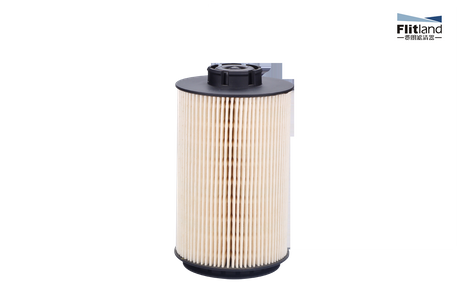
Views: 0 Author: Site Editor Publish Time: 2025-12-05 Origin: Site


A fuel filter is an important part. It keeps dirt and debris out of your car’s fuel. You need this filter to protect your engine. It also helps your car run well. If you do not take care of the fuel filter, you may have engine problems. Your car might not work as well. Picking a good filter from a trusted brand helps your car last longer. It also makes your car more reliable.
A fuel filter keeps dirt and junk out of your engine. It helps protect the fuel system from getting dirty. You should check and change your fuel filter often. Try to do this every 20,000 to 40,000 miles. This can help stop engine trouble. Good filters help your car run better. They can also make your car last longer. If your fuel filter is bad, your car may be hard to start. You might notice slow speed when you press the gas. The engine could even stop working while driving. Taking care of your fuel filter saves you money. It also helps your car stay dependable.
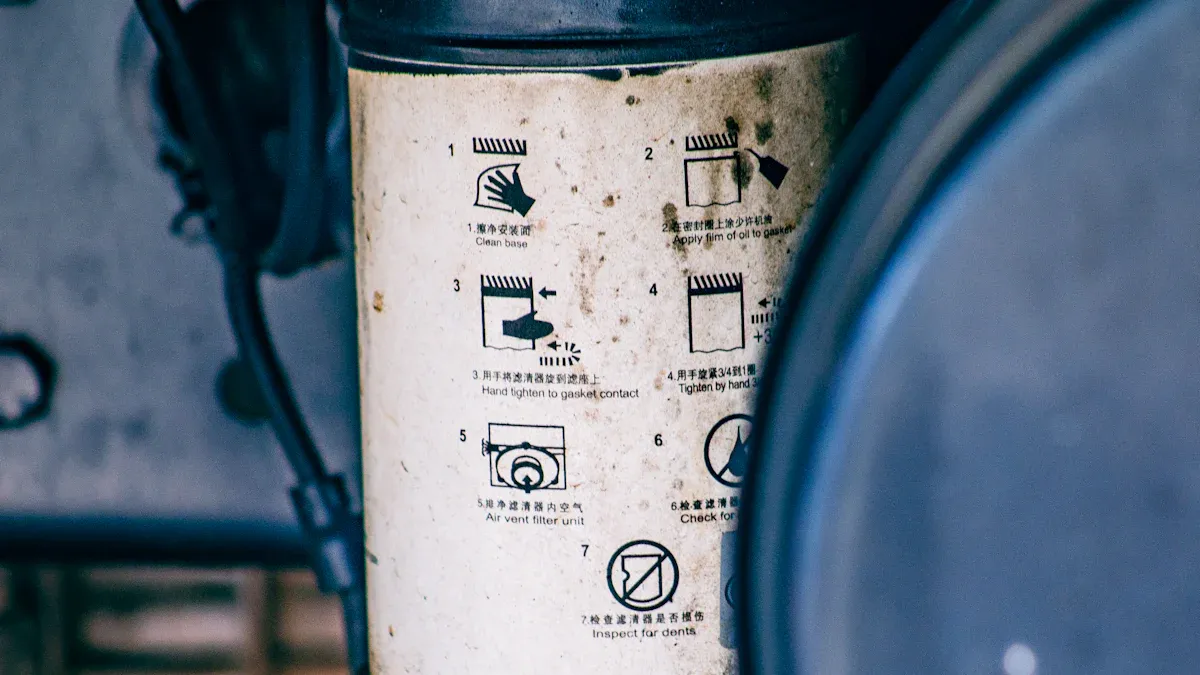
You find a fuel filter in every car. This part acts like a guard for your engine. It catches dirt, rust, and other tiny particles before they reach the engine. You need a fuel filter because fuel can pick up debris from storage tanks or during transport. If these particles enter your engine, they can cause damage and reduce performance.
A fuel filter sits between the fuel tank and the engine. It works as the first line of defense in primary fuel filtration. You rely on this filter to keep your fuel clean. Clean fuel helps your car start easily and run smoothly. Some vehicles use secondary fuel filtration for extra protection, but the main job starts with the primary filter.
Tip: Always check your owner’s manual to find out where your fuel filter is located and how often you should replace it.
You see the fuel filter working every time you start your car. Fuel leaves the tank and passes through the filter. The filter traps dirt and debris. Only clean fuel reaches the engine. This process protects the fuel injectors and other engine parts.
Here is a simple table to show how the fuel filter works:
Step | What Happens |
|---|---|
1 | Fuel leaves the tank |
2 | Fuel enters the fuel filter |
3 | Filter traps dirt and particles |
4 | Clean fuel flows to the engine |
You depend on primary fuel filtration to keep your engine safe. If the filter gets clogged, fuel cannot flow well. Your car may lose power or stall. You need to replace the filter regularly to avoid problems. Some cars use secondary fuel filtration for extra safety, but most rely on the main filter.
A good fuel filter helps your engine last longer. You get better performance and fewer repairs. You protect your car by making sure only clean fuel reaches the engine.
You use your fuel system every time you drive. The fuel filter helps keep it safe. It stops dirt and small bits from getting to your engine. Clean fuel makes your car run well. If water in fuel gets in, it can cause rust. Rust and corrosion hurt important parts. Your car may not work as well.
Your fuel system needs to be safe from more than dirt. Water in fuel can get in when you fill up or from moisture. The fuel filter catches water and keeps it out of the engine. You save money by stopping water in fuel from causing damage. A good filter helps you use less gas and spend less over time.
Note: Check your fuel filter often. This easy step helps you find problems early. It keeps your fuel system working right.
Your engine needs clean fuel to work its best. When the fuel filter does its job, your car starts easily. You get good acceleration. Water in fuel can make your engine run badly or stop. You want to keep your engine safe from these troubles.
A clean fuel system helps your engine last longer. Dirt and water can wear out your engine. Keeping them out means less damage. Your engine works better because it burns clean fuel. You have fewer breakdowns and your car is more reliable.
Here is a simple table that shows how clean fuel helps your engine:
Benefit | Result |
|---|---|
Stops water in fuel | Prevents rust and damage |
Removes dirt | Keeps engine parts clean |
Makes engine work well | Saves fuel and money |
Helps engine last long | Needs fewer repairs |
You keep your car’s value by caring for the fuel filter. Checking and changing it often keeps your fuel system strong. You get better gas mileage and your engine lasts longer.

You need to change your fuel filter often. Most car makers say to do this every 20,000 to 40,000 miles. Look in your owner’s manual for the right number. If you drive where it is dusty or use bad fuel, change it sooner. Clean fuel keeps your engine safe. It helps you stop problems before they start.
Tip: Make a reminder to change your fuel filter. This easy step helps your car run well.
You can tell your fuel filter is bad by watching for signs. Your car may not start easily. You might see slow acceleration or rough idling. Sometimes, your engine stops or loses power going uphill. Dirty fuel can block the filter and stop fuel flow. If you notice these things, check your filter soon.
Here is a simple checklist:
Engine is hard to start
Car stops or loses power
Slow acceleration
Rough idling
Strange engine sounds
If you see these signs, act quickly. A blocked filter can hurt your engine.
The cost to change a fuel filter depends on your car. Most times, it costs $50 to $150 for parts and labor. You can save money if you do it yourself and have tools. Always pick good filters for the best results. Flitland Filters use strong materials and smart technology. Your engine works better and lasts longer.
Note: Some cars have fuel filter water separators for extra safety. These help take water out of fuel and protect your engine.
When you choose a filter, look for strong build and good reviews. A good filter keeps fuel moving and protects your engine. You can trust brands like Flitland for great results.
Tip for Replacement | Why It Matters |
|---|---|
Use high-quality filters | Better engine protection |
Follow car maker’s advice | Stops early engine problems |
Check for water separators | Extra safety for your engine |
Changing your fuel filter often helps you avoid big repairs. Your car stays reliable and your engine stays healthy.
If you ignore your fuel filter, problems can happen. Dirt and debris fill up the filter. This blocks the fuel flow. Your engine does not get enough fuel. You feel less power when you speed up or go uphill. Sometimes, your car stops or is hard to start. Dirty fuel gets to the engine and brings bad stuff with it. This can hurt important engine parts.
Here are some problems you might notice:
Slow acceleration
Engine misfires
Hard starts
Stalling during driving
Poor fuel economy
A blocked filter is bad for tight fuel systems. These systems need clean fuel to work right. Even tiny bits can cause big trouble. You might pay more for repairs if you wait too long.
Note: Regular fuel/water checks help stop these problems. Keeping your filter clean protects your engine and saves money.
Not caring for your fuel filter can cause big damage. Dirty stuff spreads in the fuel system. Fuel injectors and pumps wear out faster. You may have to pay for costly repairs. Dirty fuel can cause rust and corrosion. This makes your engine not last as long.
The table below shows what happens with a blocked filter:
Problem | Result |
|---|---|
Contamination | Damaged injectors |
Unfiltered fuel | Engine wear |
Blocked filter | Lack of power |
Poor fuel/water management | Costly repairs |
Changing the filter on time keeps your car running well. You avoid engine damage and high repair costs. Clean fuel helps your engine last longer and work better.
Tip: Check your fuel filter often. Acting early stops big problems later.
You protect your engine when you check and replace the fuel filter on time.
You keep your car running smoothly by using clean fuel.
You make smart choices when you pick high-quality filters.
You avoid costly repairs and enjoy a reliable vehicle.
Stay proactive with your car’s care. Regular attention helps your engine last longer.
Most cars need a new fuel filter every 20,000 to 40,000 miles. Check your owner’s manual for the best time. Dusty roads or bad fuel may mean you need to change it sooner.
A clogged filter blocks fuel flow. Your car may lose power, stall, or not start. You risk engine damage and costly repairs. Regular replacement keeps your engine safe.
Yes, you can change it if you have basic tools and follow safety steps. Always check your car’s manual first. If you feel unsure, ask a mechanic for help.
Flitland Filters use high-quality materials and advanced technology. You get strong, reliable filters that protect your engine. Many drivers trust Flitland for better performance and longer engine life.