
Views: 0 Author: Site Editor Publish Time: 2025-12-01 Origin: Site


You use an air filter to catch tiny things in the air. It stops dirt and other stuff from moving around your home. The device pushes air inside through special materials. These materials grab dust, pollen, and other bad things. If you pick a good product like Flitland, you help keep your air clean. This helps your family breathe better air. Good air filters also make indoor air healthier. They can help lower allergy problems.
Air filters catch dust, pollen, and allergens. This makes the air in your home cleaner.
Pick the best air filter for your needs. Use HEPA filters if you have allergies. Use carbon filters if you want to remove smells.
Check your air filter often. Change it every one to three months. This keeps your air clean.
Good air filters, like ones from Flitland, work better. They last longer and give better results.
Taking care of your air filter helps keep you healthy. It also keeps the air inside fresh.
You use an air filter to clean the air around you. This device traps dust, pollen, and other small particles. When you place an air filter in your home or car, it helps remove things that can make breathing harder. You find air filters in many places, such as air conditioners, furnaces, and even vacuum cleaners.
Air filters come in different shapes and sizes. Some look like flat panels, while others have pleats or folds. You choose the right one based on where you need clean air. The main job of an air filter is to catch unwanted particles before they reach your lungs.
Tip: If you want a reliable air filter, look for brands that focus on quality. Flitland uses advanced machines and high-grade materials to make sure their filters work well and last longer.
You might wonder, how does it work? The answer is simple. Air passes through the filter material. The filter traps dust, pollen, and other pollutants. Clean air comes out on the other side. You get fresher air to breathe.
Here is a quick look at how air filters do their job:
Step | What Happens |
|---|---|
1 | Air enters the filter. |
2 | Filter material catches particles. |
3 | Clean air leaves the filter. |
You find different types of air filters for different needs. Some use thick paper, while others use special plastics. Flitland makes sure every filter meets high standards. Their team checks each product for quality before it leaves the factory.
You help protect your health when you use a good air filter. You also keep your home or car cleaner. Air filters make a big difference in the air you breathe every day.
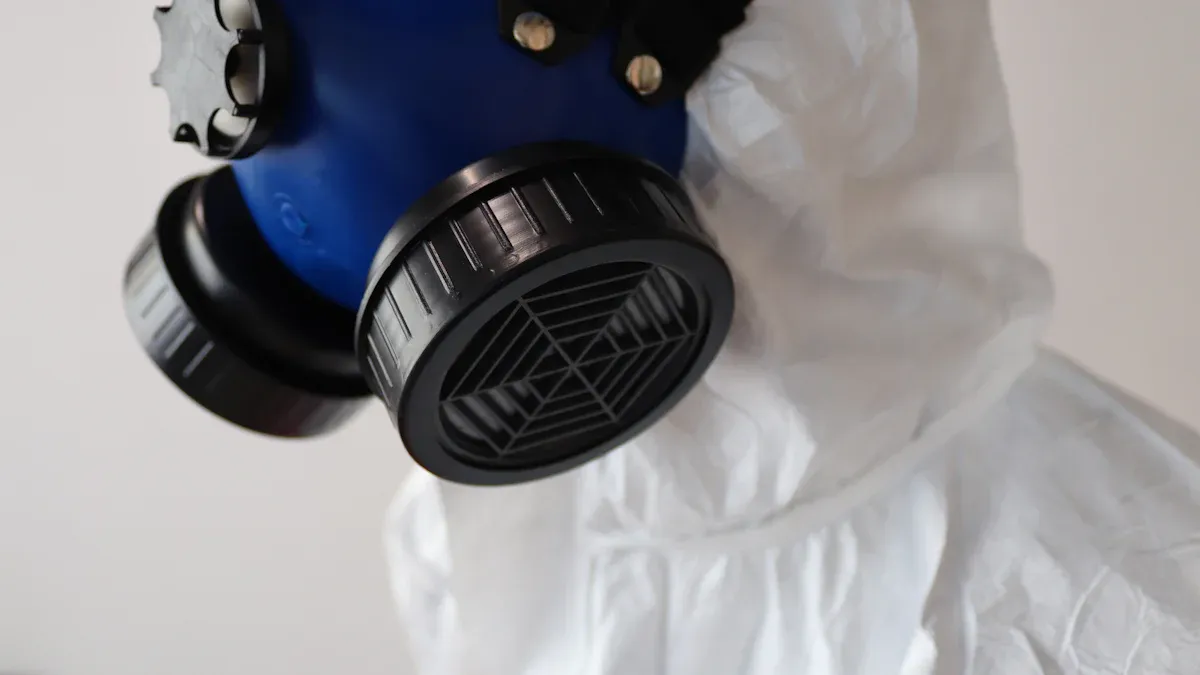
Mechanical air filters are common in homes and buildings. They use a special material, like pleated paper or cloth, to catch things in the air. When air moves through the filter, it grabs dust, pollen, and other allergens. HEPA filters are part of this group. HEPA filters can trap very tiny pollutants. This makes them great for people with allergies. If you want to remove most allergens and pollutants, pick a filter with a high MERV rating.
Note: HEPA means High Efficiency Particulate Air. These filters catch at least 99.97% of particles as small as 0.3 microns.
Electronic air filters help catch even smaller particles. They use electricity to charge things in the air. The charged particles stick to metal plates inside the filter. You can wash and use these plates again. Electronic air filters work well in air purifier systems. They help remove smoke, dust, and other tiny pollutants. You need to clean the plates often to keep the filter working well.
Type | How It Works | What It Removes |
|---|---|---|
Mechanical | Catches particles in material | Dust, pollen, allergens |
Electronic | Charges and traps particles | Smoke, dust, pollutants |
Some air filters do special jobs. Carbon filters remove odors and gases. Some use UV light to kill germs and bacteria. These filters are best when you need extra protection from certain pollutants. You might see them in hospitals, labs, or homes with people who have allergies. If you want the cleanest air, you can use more than one type of filter together.
If you want to keep your family safe from allergens and harmful pollutants, pick the right filter for your needs. Flitland has many choices to help you breathe easier.
You might ask, how do air filters work? The answer starts with the filtration process. When you turn on your air system, air moves through the filter. The filter acts like a net. It catches unwanted things in the air. You find different types of filters, but most use layers of special materials. These layers trap dust, dirt, and other tiny bits.
Some filters use thick paper. Others use cloth or even plastic fibers. HEPA filters use very fine fibers. These fibers can trap very small particles. You see HEPA filters in hospitals and homes. They help keep the air very clean. If you want strong air filtration, you should look for filters with a high rating.
Here is a simple way to understand the process:
Air enters the filter.
The filter traps airborne particles and allergens.
Clean air leaves the filter and goes back into your room.
Tip: You should check your filter often. A clean filter works better and helps your air stay fresh.
Air filters remove many types of pollutants from your home. You may not see these pollutants, but they can affect your health. Common pollutants include dust, pollen, pet dander, and mold spores. Some filters also catch smoke and odors. HEPA filters can even trap bacteria and some viruses.
Here is a table to show what different filters can remove:
Filter Type | Pollutants Removed |
|---|---|
Standard | Dust, pollen, pet hair |
HEPA | Allergens, mold spores, bacteria |
Carbon | Odors, smoke, gases |
You protect yourself and your family from allergens and other harmful things when you use the right filter. Air filters help you breathe easier and keep your space cleaner. If you want the best results, choose a filter that matches your needs.
Note: Using a quality air filter, like those from trusted brands, helps remove more pollutants and keeps your air healthier.
You want to breathe clean air at home. Air filters help you do this by cleaning the air and removing dust, pollen, and other allergens. When you use a good air filter, you improve indoor air quality. You notice fewer air quality issues, like sneezing or coughing. HEPA filters work well for improving indoor air quality because they trap tiny particles. You can use an air purifier with HEPA filters to get even better results. Many people see the benefits of air filters when they feel healthier and more comfortable indoors.
Tip: If you want to make your indoor air fresher, choose a filter that matches your needs. You help your family stay healthy by keeping the air clean.
You protect your health when you use air filters. These devices catch allergens, mold spores, and bacteria. You lower your risk of allergies and breathing problems. Air filters also help people with asthma or other lung issues. When you keep your indoor air clean, you reduce the chance of sickness. HEPA filters remove many harmful particles, making your home safer. You see the benefits of air filters every day when you breathe easier and sleep better.
Health Benefit | How Air Filters Help |
|---|---|
Fewer allergies | Remove allergens from air |
Less sickness | Trap bacteria and mold spores |
Better sleep | Improve air quality indoors |
You need to maintain air filters to keep them working well. If you forget to change or clean air filters, you may face air quality issues. Dirty filters cannot trap particles, so your indoor air gets worse. You should check your filter often and replace it when needed. A clean air filter helps your system run smoothly and keeps your air fresh. You save money on repairs and protect your health by doing regular maintenance. The benefits of air filters depend on how well you maintain them.
Note: You should always follow the instructions for your air filter. Regular maintenance means you get the most out of your filter and enjoy clean air every day.
You want to make sure you pick the best air filter for your needs. Start by thinking about where you need clean air the most. Some people need better air quality in bedrooms, while others focus on living rooms or offices. If you have allergies, you may want a hepa filter. This type of filter traps tiny particles and helps you breathe easier.
Look at the size of your space. A small room needs a different filter than a large open area. You also need to check if your system uses a flat panel or a pleated filter. Some air filters work best in air purifiers, while others fit into heating or cooling systems.
Flitland offers many choices for different needs. Their filters use high-quality materials and advanced machines. You can trust their quality management system to give you reliable products. If you want to protect your family and improve indoor air, Flitland has a filter for you.
Tip: Always read the label before you buy. Make sure the filter matches your system and your air quality goals.
Filter Type | Best For | Example Use |
|---|---|---|
HEPA | Allergies, asthma | Bedrooms, hospitals |
Carbon | Odors, smoke | Kitchens, offices |
Standard | Everyday dust, pollen | Living rooms |
You need to change your air filter on a regular schedule. A dirty filter cannot trap dust or keep your air clean. Most filters need replacement every one to three months. If you have pets or live in a dusty area, you may need to change it more often.
Check your filter each month. Hold it up to the light. If you cannot see through it, it is time for a new one. Clean filters help your air purifier work better and keep your indoor air fresh.
Note: Set a reminder on your phone or calendar. Regular changes help you enjoy clean air and protect your health.
You play a key role in keeping clean air in your home. Air filters help you improve indoor air quality and protect your health. You should check and replace your air filter often. Choose trusted brands like Flitland for reliable results. Regular maintenance gives you fresh air and peace of mind.
Remember, picking the right filter helps you breathe easier every day.
Check your air filter every month to see if it is dirty. You should replace it every one to three months. If you have pets or allergies, change it more often. This helps your air stay clean and fresh.
Air filters catch dust, pollen, pet hair, mold spores, and some bacteria. Carbon filters also take away bad smells and smoke. You get cleaner air and fewer things that cause allergies.
You can wash some electronic air filters and use them again. Most mechanical filters, like HEPA or pleated ones, need to be replaced. Always read the instructions for your filter before cleaning or changing it.
Flitland makes filters with strong materials and advanced machines. Their filters last a long time and work well. They check every filter to make sure it meets high standards.
Yes! Air filters catch things like pollen and pet dander. This helps you breathe better and feel good inside your home. Pick a HEPA filter if you want the best help for allergies.


