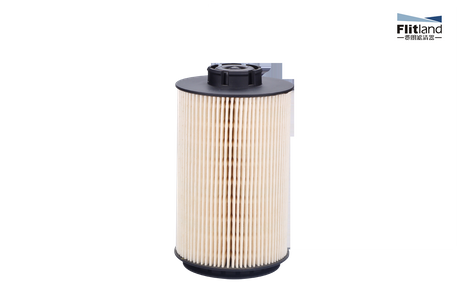
Fuel efficiency is one of the most important factors when it comes to maintaining a vehicle. With rising fuel costs and growing environmental concerns, vehicle owners are continuously looking for ways to optimize fuel consumption and reduce the carbon footprint. While most people focus on factors like driving habits, tire pressure, and engine oil, there's one often-overlooked component that plays a significant role in fuel efficiency: the air filter.
A dirty or clogged air filter can have a profound impact on how efficiently your vehicle uses fuel. In this article, we’ll explore how the air filter directly affects fuel efficiency, why it’s important to maintain a clean air filter, and the steps you can take to ensure optimal fuel economy.
The Role of the Air Filter in Fuel Efficiency
An air filter serves a fundamental function: it prevents dirt, debris, and contaminants from entering the engine. By filtering the air before it reaches the combustion chamber, the air filter ensures that only clean air is mixed with fuel for combustion. This process is crucial for the engine's performance, fuel efficiency, and longevity.
Air-to-Fuel Ratio and Engine Performance
For an engine to run efficiently, it needs to maintain a proper air-to-fuel ratio. This ratio determines how much air and fuel the engine needs to burn to produce the necessary power. If the air filter becomes clogged, it restricts the amount of air that can flow into the engine. This leads to a situation where there is more fuel than air, causing the engine to burn more fuel than necessary to perform the same tasks.
With a reduced airflow, the engine compensates by using more fuel to maintain the required power output. The result? Decreased fuel efficiency and more money spent at the gas station.
The Impact of a Dirty Air Filter on Combustion
In addition to reducing airflow, a dirty air filter also disrupts the combustion process. When an engine doesn’t receive enough air, it struggles to achieve efficient combustion. This leads to incomplete burning of the fuel, which in turn results in excess fuel consumption. Not only does this waste fuel, but it also increases emissions and reduces engine performance.
Poor combustion also affects the engine's power delivery. A vehicle with an inefficient combustion process may experience sluggish acceleration, reduced horsepower, and overall poor driving performance. As the engine works harder to compensate for the lack of air, fuel efficiency takes a further hit.
How Much Fuel Efficiency Is Lost with a Dirty Air Filter?
The effect of a dirty air filter on fuel efficiency depends on several factors, including the type of vehicle, driving conditions, and the degree of clogging in the filter. However, research shows that a dirty air filter can reduce fuel efficiency by up to 10%. This means that if your vehicle normally achieves 25 miles per gallon (MPG), a clogged filter could lower that to 22.5 MPG.
While this may seem like a small drop, over time it adds up, especially for those who drive long distances or have regular commutes. Additionally, if the air filter is neglected for an extended period, fuel efficiency can drop even further, resulting in unnecessary fuel costs.
Real-World Example: Fuel Savings from a Clean Air Filter
Imagine you drive 15,000 miles annually, and your vehicle’s average fuel efficiency is 25 MPG. With a clean air filter, you would need about 600 gallons of fuel per year. However, with a 10% drop in efficiency due to a dirty air filter, you would need an additional 60 gallons of fuel to cover the same distance. At $3 per gallon, this adds up to $180 in extra fuel costs every year. This is a small investment that can have a big impact on your wallet.
Benefits of Maintaining a Clean Air Filter for Fuel Efficiency
1. Improved Engine Efficiency
When the air filter is clean and functioning properly, the engine can breathe easily, receiving a sufficient amount of air for the combustion process. This allows the engine to operate at its peak efficiency, burning fuel more effectively and consuming less fuel for the same output. As a result, your vehicle will run smoother, with better throttle response and reduced fuel consumption.
2. Increased Longevity of the Engine
A clean air filter also contributes to the overall longevity of your engine. With less dirt and debris entering the combustion chamber, there is less chance of contaminants causing wear and tear on the engine’s internal components. This can lead to fewer repairs, better overall engine health, and fewer unexpected breakdowns.
3. Enhanced Environmental Impact
By improving fuel efficiency, a clean air filter also reduces your vehicle’s carbon footprint. Burning less fuel means emitting fewer greenhouse gases into the atmosphere. This is an easy way to help contribute to environmental conservation while saving money at the pump.
4. Cost Savings Over Time
The initial cost of replacing or cleaning your air filter is low compared to the money you’ll save on fuel over time. Whether you're driving in city traffic or on long highway trips, a clean air filter will ensure you're maximizing every drop of fuel, leading to long-term cost savings.
When Should You Replace Your Air Filter?
As a rule of thumb, most manufacturers recommend replacing your air filter every 12,000 to 15,000 miles, or at least once a year. However, if you frequently drive in dusty or polluted environments, you may need to replace it more often. Signs that your air filter needs replacing include:
Decreased fuel efficiency or mileage
Sluggish acceleration or poor engine performance
Unusual engine noises or rough idling
Black smoke from the exhaust
You can check your air filter regularly by visually inspecting it. If it looks dirty or clogged with debris, it’s time for a replacement.
How to Maintain Your Air Filter
Regular maintenance of your air filter is essential to keep your vehicle running efficiently. Here are some tips for proper air filter maintenance:
Inspect Regularly: Check your air filter every 12,000 to 15,000 miles or according to the manufacturer’s recommendation. If you drive in dusty areas, check it more often.
Replace When Necessary: If the air filter is dirty, clogged, or damaged, replace it with a high-quality replacement that is compatible with your vehicle.
Clean If Possible: Some air filters, such as reusable cotton filters, can be cleaned and reused. Follow the manufacturer’s cleaning instructions for best results.
Use High-Quality Filters: Using a high-quality air filter made from premium materials will ensure better filtration, longer life, and better fuel efficiency. Wenzhou Flitland Filter Manufacturing Co., Ltd. offers a range of high-quality air filters, designed to provide optimal engine performance.
Conclusion
A clean air filter is one of the most important factors in maintaining fuel efficiency and optimizing vehicle performance. A dirty or clogged air filter restricts airflow to the engine, leading to incomplete combustion, wasted fuel, and decreased fuel economy. By maintaining a clean air filter, you ensure that your engine runs efficiently, which not only saves you money at the pump but also helps prolong the lifespan of your vehicle.
Wenzhou Flitland Filter Manufacturing Co., Ltd. provides a wide range of premium air filters designed to enhance fuel efficiency and improve engine performance. By choosing high-quality filters from Flitland, you can ensure that your vehicle is operating at peak efficiency while reducing fuel consumption and emissions.
FAQ
Q1: How often should I replace my air filter?
A1: Typically, air filters should be replaced every 12,000 to 15,000 miles. However, if you drive in dusty conditions, you may need to replace it more often.
Q2: Can a dirty air filter really affect fuel efficiency?
A2: Yes, a dirty air filter restricts airflow to the engine, causing it to burn more fuel to compensate, which leads to a reduction in fuel efficiency.
Q3: What are the signs that my air filter needs to be replaced?
A3: Signs of a dirty air filter include reduced fuel efficiency, sluggish acceleration, rough idling, and unusual engine noises.