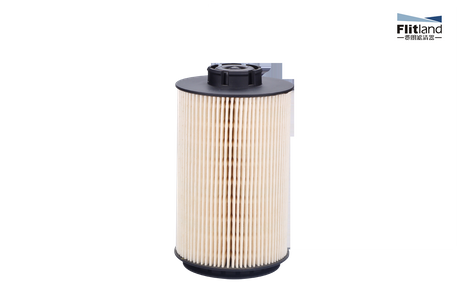
Your engine breathes air. Lots of it. A typical car engine draws in thousands of gallons of air for every gallon of fuel burned. That air contains dust, dirt, pollen, sand, and countless other microscopic particles. Without proper filtration, these contaminants would enter the combustion chamber, causing abrasive wear on cylinder walls, piston rings, and bearings. The humble Air Filter for engine serves as the first line of defense, protecting your valuable powertrain from premature failure.
This comprehensive guide explains everything you need to know about Air Filter for engine systems: how they work, why they matter, what quality indicators to look for, and how to choose a reliable Air Filter manufacturer for your vehicles, equipment, or resale business.
What Is an Air Filter for Engine?
An Air Filter for engine is a device that removes solid contaminants such as dust, pollen, mold, and dirt particles from the intake air before it enters the engine's combustion chamber. The filter element is typically made of pleated paper, cotton, foam, or synthetic materials that trap particles while allowing clean air to pass through.
For internal combustion engines, clean air is just as important as clean fuel or clean oil. A high-quality Air Filter ensures that the air-fuel mixture burns efficiently, delivering maximum power and fuel economy while minimizing emissions.
How an Air Filter for Engine Works
The operating principle of an Air Filter for engine is straightforward but sophisticated. Here is how it functions:
Air Intake: Outside air enters the engine's intake system through an opening typically located at the front of the vehicle or equipment.
Filtration: The air passes through the filter media, which traps particles based on size. Larger particles are captured on the surface. Smaller particles are trapped within the depth of the filter media.
Clean Air Delivery: The filtered, clean air continues through the intake system to the throttle body, intake manifold, and finally into the combustion chamber.
Sealing: A rubber or foam gasket around the Air Filter creates an airtight seal, ensuring that unfiltered air cannot bypass the filter element.
Why Engine Air Filtration Matters
Preventing Engine Wear
Dust and dirt particles are abrasive. When they enter the combustion chamber, they act like sandpaper on cylinder walls, piston rings, and bearings. Over time, this abrasion leads to:
Loss of compression
Increased oil consumption
Reduced power output
Premature engine failure
A properly functioning Air Filter for engine traps these harmful particles before they can cause damage.
Maintaining Fuel Economy
When an Air Filter becomes clogged with dirt, airflow restriction increases. The engine must work harder to draw in air, reducing fuel efficiency. Studies show that a severely clogged Air Filter can reduce fuel economy by 10% or more.
Reducing Emissions
Complete combustion requires the correct air-fuel ratio. Restricted airflow causes the mixture to become fuel-rich, increasing emissions of carbon monoxide and unburned hydrocarbons. A clean Air Filter helps maintain proper combustion and lower emissions.
Protecting Sensors
Modern engines rely on mass airflow sensors (MAF) and manifold absolute pressure (MAP) sensors to calculate fuel delivery. Contaminated air can coat these sensors with oil and debris, causing inaccurate readings and poor engine performance.
Types of Air Filters for Engine Applications
Panel Air Filters
The most common design for passenger cars and light trucks. Panel Air Filter elements are rectangular or square and fit into a plastic housing. They are economical and easy to replace.
Cylindrical Air Filters
Common on heavy-duty trucks, construction equipment, and agricultural machinery. Cylindrical Air Filter for engine designs offer high dust-holding capacity and longer service intervals in dirty environments.
Radial Seal Air Filters
A specialized design where the filter seals against the housing using a radial (circumference) compression fit. Popular in heavy-duty and off-highway applications.
High-Performance Air Filters
Using cotton gauze or synthetic media, these Air Filter products are washable and reusable. They offer lower airflow restriction but may provide less filtration efficiency than paper media.
Key Quality Indicators for Air Filters
When sourcing Air Filter for engine products from a manufacturer, evaluate these quality indicators:
| Quality Indicator | What to Look For |
|---|---|
| Filter media | High-density, high-quality filter paper (e.g., Ahlstrom, German composite paper) |
| Pleat count and depth | Consistent pleating maximizes surface area |
| Seal integrity | Rubber or foam gasket that seals perfectly |
| Construction | Robust end caps and strong bonding |
| Dimensional accuracy | Precise fit for the intended application |
Flitland uses Ahlstrom oil filter paper and German composite paper, ensuring high filtration efficiency and durability.
Filtration Efficiency and Capacity
Two key metrics define Air Filter performance:
Filtration efficiency measures the percentage of particles removed from the intake air. Quality Air Filter for engine products achieve 99% efficiency or higher, capturing particles down to 5-10 microns.
Dust-holding capacity measures how much contaminant the filter can hold before becoming restricted. Higher capacity means longer service life, especially important for heavy-duty and off-road applications.
Application Scenarios for Air Filters
Passenger Vehicles
Cars, SUVs, and light trucks require Air Filter for engine replacement every 12,000 to 15,000 miles under normal conditions. Severe service (dusty roads, stop-and-go traffic) requires more frequent changes.
Commercial Trucks
Heavy-duty trucks operating in construction, mining, or agricultural environments need robust Air Filter products with high dust-holding capacity and rugged construction.
Construction Equipment
Excavators, loaders, and bulldozers operate in extremely dusty conditions. These applications demand heavy-duty Air Filter for engine systems, often with primary and secondary filter elements.
Agricultural Machinery
Tractors, combines, and harvesters face dust from fields, crop residue, and soil. Specialized Air Filter designs with pre-cleaners extend service intervals in these environments.
Industrial Equipment
Forklifts, generators, and compressors need reliable Air Filter protection for long service life and minimal downtime.
Signs Your Air Filter for Engine Needs Replacement
Reduced fuel economy
Loss of power or acceleration
Unusual engine sounds
Check engine light illumination
Black smoke from exhaust
Visual inspection shows heavy dirt accumulation
Custom Air Filter Solutions
Different applications require different specifications. A reliable Air Filter manufacturer offers Custom options including:
Special dimensions for unique housings
Alternative filter media for specific environments
Branded packaging and labeling
Custom color coding for easy identification
Flitland provides Custom services including free logo design on inner boxes, lettering, and outer boxes. Special products using different colors of filter paper or different brands of filter paper are also available.
Why Choose Flitland as Your Air Filter Manufacturer
Flitland is a professional Air Filter manufacturer specializing in filtration products. Here is what sets Flitland apart:
Integrated Manufacturing: Except for the paper, everything else is produced in-house—cutting, folding, heating, and gluing. This vertical integration ensures quality control at every step.
Premium Materials: Flitland uses Ahlstrom oil filter paper and German composite paper, materials known for high filtration efficiency and durability.
Extensive Product Range: With over 1,000 products and 300,000 monthly production capacity, Flitland can meet diverse customer needs.
Modern Equipment: Advanced folding paper machines, drying tunnels, and PU machines ensure consistent quality.
Rigorous Quality Control: Product raw materials are tested before each step. Finished products are inspected and packed one by one.
Customization Capabilities: Free design services for logos and packaging. Acceptance of different paper colors and brands.
Responsive Service: 24-hour online service for inquiries. 24-hour response for any product questions after receipt.
Frequently Asked Questions
Q: How often should an air filter for engine be replaced?
Most manufacturers recommend replacement every 12,000 to 15,000 miles, but severe conditions like dusty roads may require more frequent changes.
Q: Can I clean and reuse a paper air filter?
No. Paper Air Filter for engine elements are disposable and should be replaced, not cleaned. Only specialized cotton or foam filters are designed for cleaning and reuse.
Q: What happens if I drive with a dirty air filter?
A dirty Air Filter restricts airflow, reducing power and fuel economy. In severe cases, it can cause engine damage from oil dilution or contaminated intake sensors.
Conclusion
The Air Filter for engine is a small component with a big job. It protects your engine from abrasive contaminants that would otherwise cause premature wear, reduced performance, and costly repairs. Understanding how Air Filter systems work, what quality indicators matter, and when to replace them helps vehicle owners and fleet managers maximize engine life. Flitland manufactures high-quality Air Filter products using premium materials like Ahlstrom and German composite paper. With in-house production from cutting to gluing, advanced equipment, and rigorous quality control, Flitland delivers reliable Air Filter for engine solutions for passenger cars, commercial trucks, construction equipment, and agricultural machinery. Need a trusted Air Filter supplier for your business? Contact Flitland today to discuss your requirements and request a catalog.